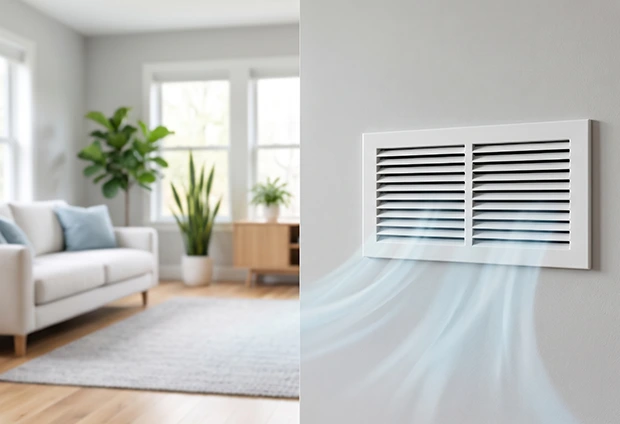
Managing indoor air quality for homes in Canada
Within tightly sealed Canadian homes, indoor air can contain numerous unseen contaminants affecting respiratory health, comfort, and overall well-being. Effective indoor air quality management helps limit exposure to these pollutants.
Understanding the components of indoor air quality
The atmosphere inside a building is a complex mix of gases and airborne particles from indoor and outdoor sources. Its composition directly impacts occupant health, requiring indoor air quality assessment to identify pollutants and maintain a safe, healthy environment.

Identifying common airborne pollutants
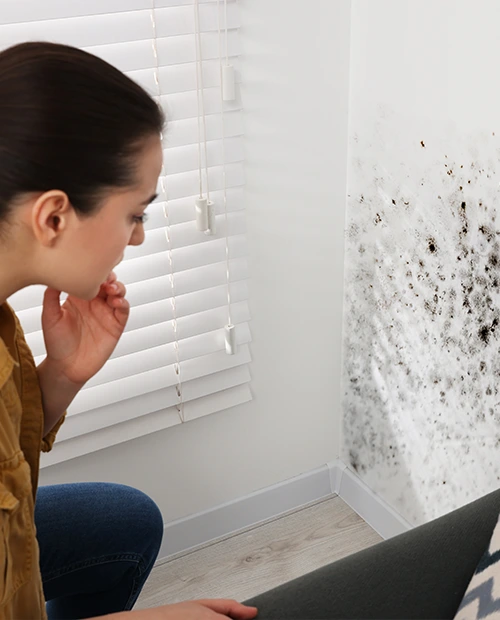
Particulate matter, volatile organic compounds (VOCs) from furnishings and cleaning products, and biological contaminants such as mold spores are frequently found indoors.
Assessing the impact on occupant health
Prolonged exposure can contribute to allergies, respiratory symptoms, headaches, and reduced cognitive performance, depending on pollutant type and concentration.
The role of continuous air monitoring
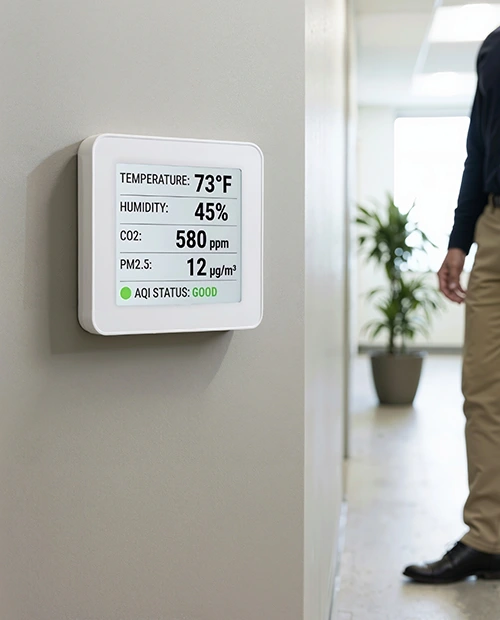
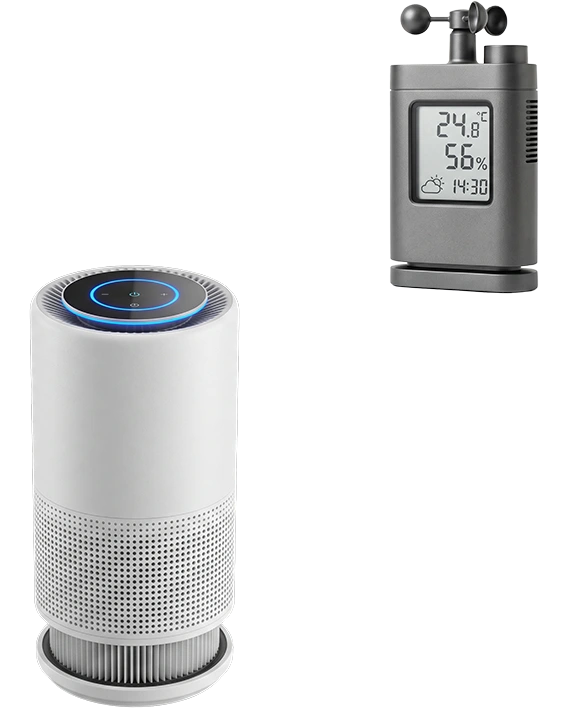
Using indoor air quality sensors to track CO2 levels, relative humidity, and particulate matter provides data for proactive ventilation and filtration adjustments.
The critical function of HVAC system maintenance
A building’s heating, ventilation, and air conditioning equipment acts as its respiratory system. Regular upkeep is not just about comfort; it is fundamental to removing contaminants and ensuring healthy air exchange throughout the structure.
Scheduled replacement of air filters
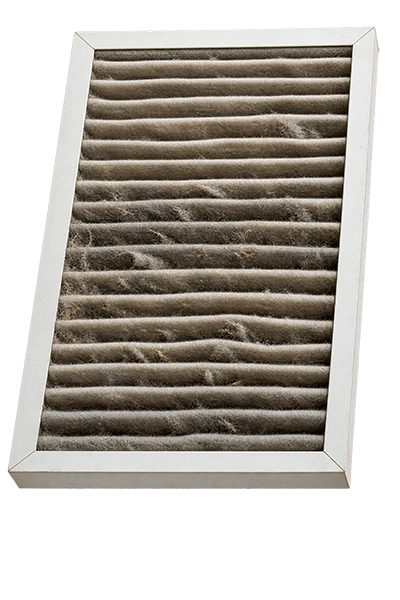
Clogged air filters fail to capture dust and allergens, reducing airflow and overall HVAC system efficiency.
Over time, dust, debris, and microbial growth can accumulate on filters, forcing the HVAC unit to work harder and diminishing its ability to clean indoor air. Following a consistent filter replacement schedule, typically every one to three months depending on the filter’s MERV rating and household conditions, helps maintain performance and prevent the recirculation of indoor pollutants.

Cleaning coils and internal components
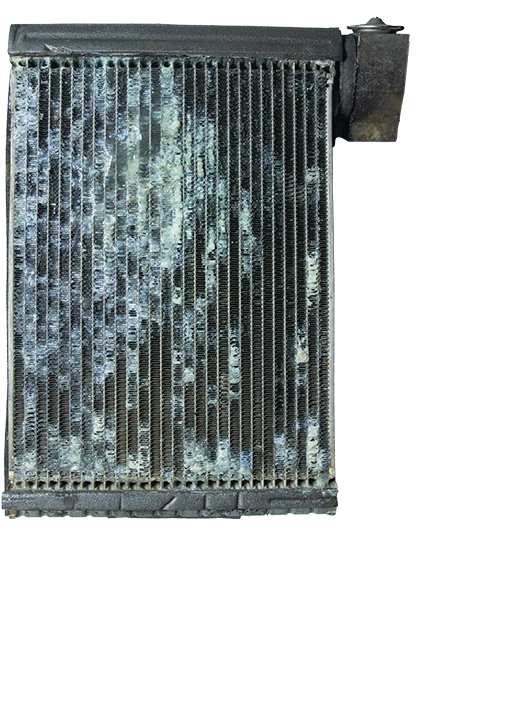
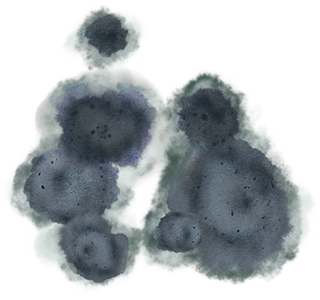
Dirt on evaporator and condenser coils can harbor mold colonies and hinder proper heat transfer.
These components operate in damp conditions, creating an ideal breeding ground for bacteria and mold if not cleaned. A technician uses specialized HVAC coil cleaners to remove biofilm, restoring heat exchange efficiency and eliminating a significant source of biological contamination that could otherwise be distributed throughout the building, especially in humid conditions.
Verifying system airflow and balance
An imbalanced HVAC system can create pressure differences that pull in unfiltered outdoor air.
Technicians use tools like an anemometer to measure airflow at each vent, ensuring it aligns with the system’s design. Proper airflow balancing helps conditioned, filtered air reach every room as intended, preventing negative pressure that can draw in outdoor pollutants such as wildfire smoke or radon gas, a concern in some Canadian regions.
Benefits of professional ductwork cleaning

Removal of accumulated debris
Professional duct cleaning uses powerful vacuums to dislodge and extract dust, pet dander, and construction residue.

Enhanced HVAC system efficiency
Clean ducts allow unrestricted airflow, reducing strain on the fan motor and helping the HVAC system operate efficiently.

Reduction in airborne allergens
Removing sources of mold spores and dust mites can reduce airborne allergens and improve indoor air for occupants.
The broader scope of building hygiene